Texas Democrats' sweep puts the state on the 2028 presidential map
After Democrats won every statewide office on Nov. 3, party leaders and 2028 hopefuls are treating Texas as a battleground, while Republicans say the state will turn red again.
What we know
- Democrats won every statewide office in Texas on Nov. 3, including the governor's race and a U.S. Senate seat, according to the Texas Tribune.
- James Talarico won the Senate race by 12 points, and Gina Hinojosa defeated Gov. Greg Abbott.
- Texas has 40 electoral votes, and no Democrat has carried it in a presidential race since Jimmy Carter in 1976.
- Republicans still hold a majority in the Texas Senate, and Sen. Ted Cruz has promised the state will return to the GOP.
- Talarico has urged every 2028 presidential candidate to compete in Texas.
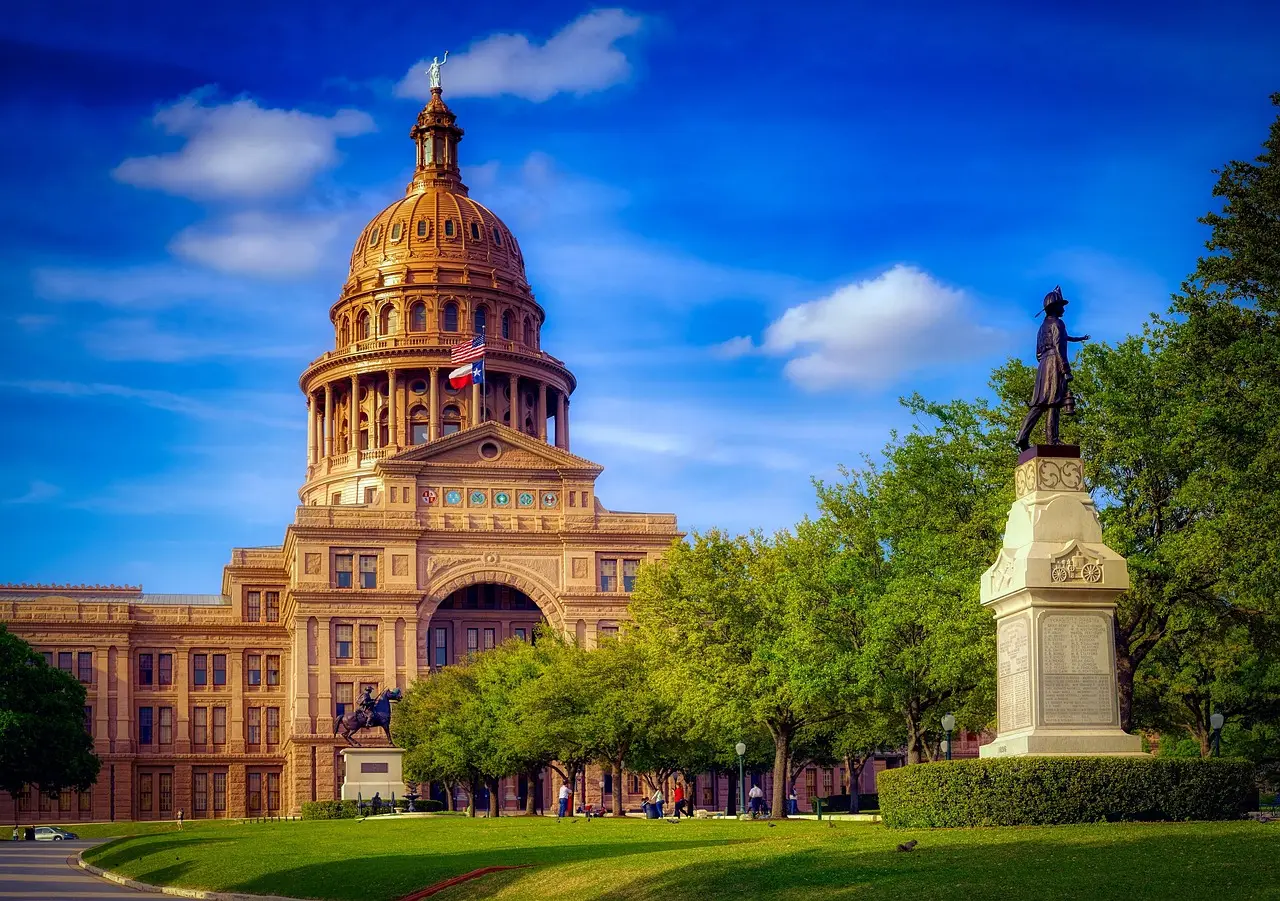
Texas voters who watched Democrats win every statewide office on Nov. 3 are now seeing the national parties reassess how they will campaign in the state in 2028. Party leaders and likely presidential hopefuls say Texas, with its 40 electoral votes, is back in play, while top Republicans insist the result was a one-time event.
The Texas Tribune reported that Democrats took the governor's mansion and the Texas House for the first time in decades. Gina Hinojosa defeated Gov. Greg Abbott. James Talarico won the U.S. Senate race by 12 points over Republican nominee Ken Paxton, according to the Tribune and a report by CBS Austin. Republicans keep a majority in the state Senate.
Why 2028 looks different
Texas is the second-largest prize in the Electoral College. The Tribune noted that it has anchored every Republican presidential campaign since 1980 and that the path to 270 electoral votes is close to impossible for the GOP without it. President Donald Trump carried the state by nearly 14 points in 2024. The newspaper also reported that Texas is expected to gain electors after the 2030 Census.
Presidential campaigns have mostly skipped the state in recent cycles. The Tribune counted a single post-Labor Day stop by Kamala Harris in 2024, and said Joe Biden did not visit in the fall of 2020 after losing Texas by less than 6 points.
Democratic National Committee chair Ken Martin, asked whether Texas is now a battleground, told the Tribune: "For sure, it's seismic." Illinois Gov. JB Pritzker, widely expected to seek the 2028 nomination, called Texas the "big kahuna" of the race. The Tribune said Pritzker visited the state several times and gave $1.2 million to support Hinojosa's campaign.
Talarico, speaking to Politico the day after the election, said Texas could "absolutely" swing toward Democrats in a presidential year. He said candidates who build a big tent and connect with Texans can win here. "I would urge every 2028 candidate to vigorously compete in our state," he said. The Tribune described him as cautious about reading the results as a lasting change in the state's partisanship.
Republicans push back
Sen. Ted Cruz said on his podcast the day after the election: "I give you my word: Texas will be red again." The Tribune reported that allies of Cruz started an Austin-based nonprofit called Saving Texas a week after the vote.
Outgoing Sen. John Cornyn said Texas remains center-right and that it "didn't turn blue." Karl Rove, the longtime Republican strategist, told the Tribune that 2028 will depend on the direction of the GOP, whether Democrats govern from the center, and whom each party nominates. He also credited Democrats with building a bigger and stronger campaign operation this year, and the Tribune said crossover voting from Republicans and right-leaning independents helped Democrats.
Julián Castro, the former San Antonio mayor and U.S. housing secretary, said he does not expect 2028 in Texas to be as favorable to Democrats as 2026 was, according to the Tribune.
CBS Austin noted that it remains unclear whether Democrats can keep up their success over the next two years, pointing out that Republicans felt on top of the world after the 2024 election.
What happens next
Hinojosa and Talarico take office in January. The Tribune reported that Cruz's Senate seat is not up until 2030, and that if he won the presidency in 2028, the governor would appoint a temporary replacement until a special election. Expected 2028 contenders have not announced campaigns, and the parties' nominees will determine how much money and time each side puts into Texas.
Sources
- The Texas Tribune, read Nov 28, 2026
- CBS Austin (KEYE), read Nov 28, 2026
This story was written by the Texas Daily Journal newsroom with AI assistance from the sources above. Report an error.